Butterfly tattoos are beautiful choices for anyone who loves delicate artwork with meaningful symbolism. Butterflies can represent transformation, freedom, growth, beauty, and fresh beginnings, making them easy to personalize around your own story. I love how many styles can work with this design, including fine-line artwork, colorful butterflies, minimalist outlines, realistic shading, and creative combinations with flowers or celestial details.
Placement can also change the entire appearance, with tiny designs looking lovely on the wrist or ankle and larger pieces creating a statement on the back or thigh. Here are 24 butterfly tattoo designs to inspire your next appointment and help you discover a style you love.
1. Small Butterfly Tattoo

A small butterfly tattoo is perfect if you want something delicate, meaningful, and easy to keep understated. A tiny outline can look beautiful on the wrist, ankle, finger, collarbone, or behind the ear.
I like simple butterfly designs because the recognizable shape does not require a lot of detail to look attractive. You can keep the tattoo completely black or add a tiny amount of color to the wings. A few small dots or stars can also make the design feel more personalized. If you prefer subtle tattoos, this style offers a lovely balance between symbolism and simplicity.
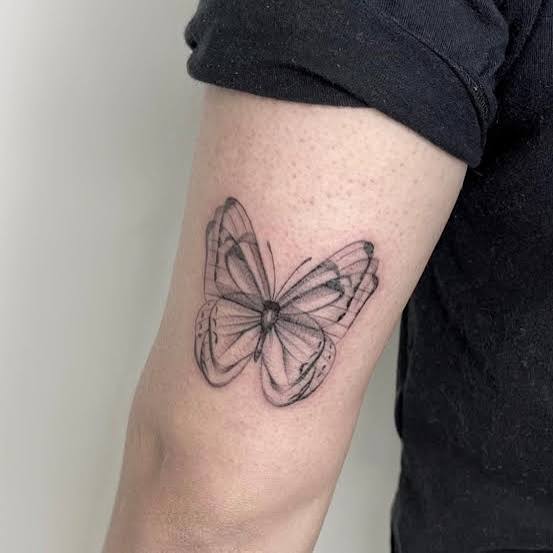
2. Fine-Line Butterfly Tattoo

Fine-line butterfly tattoos create a delicate and elegant appearance using thin, carefully placed strokes. This style works particularly well for people who prefer understated artwork without heavy shading or bold outlines. I love how fine-line details can capture the veins within the wings while keeping the overall tattoo light. You can choose a realistic butterfly or a simplified artistic interpretation.
Popular placements include the forearm, wrist, shoulder, ribs, and collarbone. If you choose an especially detailed fine-line design, discuss appropriate sizing with your tattoo artist so the elements have enough space to remain clear and attractive as the tattoo ages.
3. Colorful Butterfly Tattoo

A colorful butterfly tattoo can become a vibrant focal point on the skin. You can choose realistic shades inspired by an actual butterfly or create an artistic combination using colors that have personal meaning. I like colorful wings paired with a simple black outline because the contrast makes the design immediately noticeable.
Blue, purple, pink, orange, and yellow can each create a completely different mood. You can also add small flowers or leaves to make the composition more elaborate. The shoulder, thigh, forearm, and upper back provide plenty of room for a colorful butterfly with detailed wings.
4. Butterfly And Flower Tattoo

Combining a butterfly with flowers creates a naturally beautiful tattoo composition. Roses, daisies, lilies, lavender, and wildflowers can all work well alongside butterfly wings. I like this combination because the curved shapes of the wings and petals complement each other beautifully. You can choose flowers that have personal significance or simply select a type that matches your preferred aesthetic.
A black-and-gray design can look sophisticated, while colorful flowers can create a cheerful appearance. The forearm, shoulder, thigh, and upper back offer enough room for the butterfly and flowers to feel connected rather than crowded.
5. Butterfly With Roses Tattoo

A butterfly with roses can create a romantic and visually striking tattoo. The soft shape of butterfly wings works beautifully alongside the layered petals of roses, giving the artist plenty of opportunities to create contrast.
I like black-and-gray butterflies paired with shaded roses for a classic appearance, while colored wings and red roses can create a much bolder result. You can add leaves and stems to create a flowing botanical composition. This design works particularly well on the thigh, shoulder, forearm, ribs, or upper back. Choose the rose style carefully so its level of detail complements the butterfly.
6. Minimalist Butterfly Tattoo

A minimalist butterfly tattoo focuses on the basic shape rather than extensive shading or decoration. A few clean lines can create an elegant butterfly that feels modern and understated.
I like this option for people who want meaningful artwork without a large or highly detailed tattoo. You can add a tiny heart, star, initial, or dot pattern to make the design more personal. The wrist, ankle, finger, collarbone, and behind-the-ear area can all work well for small minimalist designs. Keeping the tattoo simple can also make it easier to coordinate with other small tattoos if you plan to build a collection.
7. Butterfly Back Tattoo

The back provides plenty of space for a dramatic butterfly tattoo with intricate wings and additional decorative elements. A large butterfly can sit between the shoulder blades or extend across the upper back. I like this placement because you can create detailed patterns within the wings without squeezing everything into a small area. Flowers, stars, vines, or ornamental details can also be incorporated.
A symmetrical butterfly can emphasize the natural balance of the design, while an artistic composition can create a more unique appearance. The back is especially suitable for anyone who wants a butterfly tattoo with noticeable visual impact.
8. Butterfly Thigh Tattoo
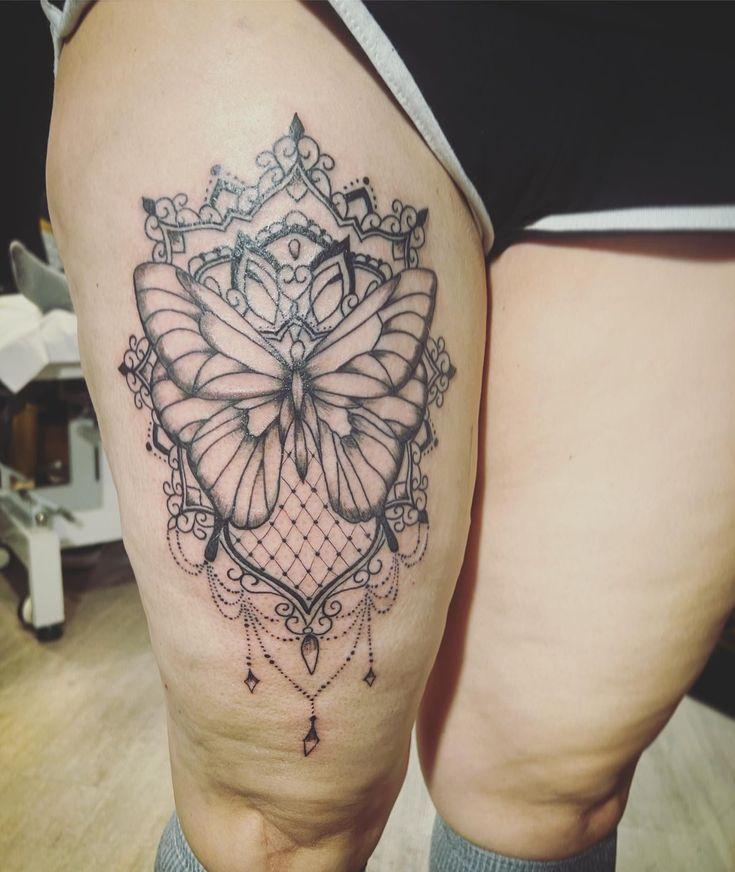
A butterfly thigh tattoo gives you plenty of room to experiment with size, color, and detail. You can choose a realistic butterfly, ornamental design, watercolor artwork, or a composition surrounded with flowers. I like the thigh because the larger surface allows the wings to be drawn with plenty of detail while maintaining clear proportions. A single butterfly can look elegant, or you can create a larger scene with multiple butterflies and botanical elements.
Consider the natural curve of the thigh when choosing the orientation. This can help the tattoo look balanced and flattering when viewed at different angles.
9. Butterfly Wrist Tattoo

A butterfly wrist tattoo can be a delicate everyday reminder of transformation, freedom, or personal growth. A small outline design can sit neatly on the inner or outer wrist, while a slightly larger butterfly can extend toward the forearm.
I like keeping wrist designs relatively clean because the area does not provide much room for extremely complicated artwork. A tiny colored butterfly can create a subtle focal point, while black fine-line work feels more understated. You can also add a small initial, date, or star. Make sure the design has enough spacing so the details remain easy to distinguish.
10. Butterfly Shoulder Tattoo

The shoulder is a versatile location for a butterfly tattoo because the design can follow the body’s natural curve. A butterfly can sit directly on the shoulder cap, extend toward the collarbone, or move toward the upper arm. I like this placement for medium-sized designs because there is enough space for wing details without making the tattoo feel oversized.
Flowers, vines, stars, or small butterflies can be added if you want a more elaborate composition. A black-and-gray design can look sophisticated, while colored wings can make the tattoo more noticeable. The shoulder also works well for designs that may eventually become part of a larger piece.
11. Butterfly Spine Tattoo

A butterfly spine tattoo can create a striking symmetrical composition along the center of the back. You can use one large butterfly around the upper or middle spine or create several smaller butterflies arranged vertically.
I like the idea of positioning the butterfly wings so their symmetry works with the natural line of the spine. Ornamental details, flowers, stars, or delicate vines can make the design more elaborate. A vertical arrangement can look especially elegant when each element has enough space. Because the spine can be a sensitive tattooing area, discuss placement, sizing, and the overall design carefully with your artist beforehand.
12. Butterfly Ankle Tattoo

A butterfly ankle tattoo is a subtle choice that can look beautiful with both minimalist and slightly detailed designs. A small butterfly can sit above the ankle bone, along the side of the ankle, or extend slightly toward the foot.
I like simple outlines in this location because they keep the design delicate and easy to appreciate. A tiny flower or a few dots can add a little personality without making the tattoo too busy. If you want color, choose one or two shades that complement your skin and the overall design. The limited space makes thoughtful sizing especially important.
13. Butterfly With Moon Tattoo

A butterfly and moon tattoo can create a dreamy design combining natural and celestial imagery. A crescent moon can sit behind the butterfly, above its wings, or alongside it as part of a larger composition. I like adding tiny stars and dots to create a subtle night-sky effect without overwhelming the main elements. Black-and-gray ink can give the design an elegant appearance, while blue or purple accents can make it more colorful.
The forearm, shoulder, thigh, ribs, and upper back are all suitable locations. Choose the moon size carefully so it complements rather than dominates the butterfly.
14. Butterfly With Name Tattoo

Adding a name to a butterfly tattoo can make the artwork especially personal. The name could represent a loved one, family member, child, or someone important to your life. I like placing the lettering beneath the butterfly or integrating it subtly into the composition. A simple script can complement delicate wings, while clean lettering can work well with a minimalist design.
You can also add a meaningful date or tiny heart if space allows. The forearm, wrist, collarbone, shoulder, and ribs can provide suitable areas for combining text with the butterfly while keeping the overall composition balanced.
15. Butterfly With Quote Tattoo

A butterfly paired with meaningful lettering can create a tattoo centered around personal growth or transformation. Choose a short phrase that has lasting significance and position it beneath the butterfly, alongside the wings, or along a curved line.
I prefer simple fonts for this style because overly decorative lettering can compete with the butterfly. You can also use a handwritten style for a more personal appearance. The forearm and ribs provide enough room for longer phrases, while the wrist or collarbone may work better for shorter words. Make sure the lettering remains readable at the chosen tattoo size.
16. Butterfly And Snake Tattoo
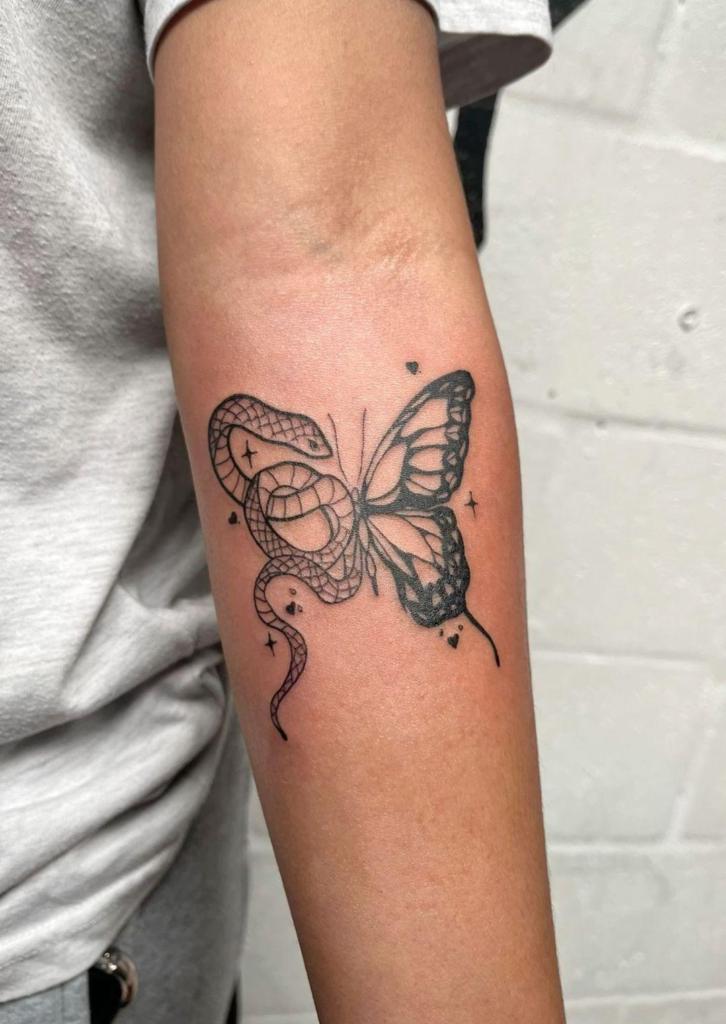
A butterfly and snake tattoo creates an interesting contrast between two very different forms. The delicate wings of the butterfly can be paired with the smooth, winding shape of a snake to create a visually dynamic composition.
I like this idea for larger tattoos because the snake can curve around the butterfly or frame it naturally. You can choose realistic shading, blackwork, fine-line artwork, or an ornamental interpretation. Flowers and leaves can also be incorporated if you want a botanical feel. The thigh, forearm, back, and upper arm provide enough room for both elements to remain clearly defined.
17. Butterfly With Flowers And Leaves

A butterfly surrounded by flowers and leaves can create a beautiful botanical tattoo with plenty of natural movement. Instead of using one flower, you can combine several varieties to create a fuller composition. I like this style because the leaves can help connect different parts of the tattoo and guide the eye around the design. You can choose flowers with personal meanings or simply select varieties that complement the butterfly’s shape and colors.
Fine-line blackwork can create a delicate botanical appearance, while realistic color can make the design feel vibrant. This style works beautifully on the thigh, forearm, shoulder, and back.
18. Realistic Butterfly Tattoo

A realistic butterfly tattoo focuses on accurate wing patterns, natural shading, and detailed anatomy. This style can look especially impressive when the artist captures the fine textures and color variations found in real butterfly wings. I like realistic designs because you can choose a particular butterfly species that has visual or personal significance.
Black-and-gray shading creates a sophisticated appearance, while realistic color can make the wings look almost photographic. The forearm, shoulder, thigh, calf, and upper back can provide enough room for the details. A good reference image can help your tattoo artist understand the exact butterfly style you prefer.
19. Butterfly Watercolor Tattoo

A watercolor butterfly tattoo can create a soft and artistic effect using flowing colors and gentle transitions. Instead of relying solely on dark outlines, the design can incorporate splashes of blue, purple, pink, yellow, or other shades around the wings. I like this approach when you want your tattoo to resemble a small piece of painted artwork. The butterfly can remain recognizable while the color extends slightly beyond the wing edges for a creative effect.
The shoulder, thigh, forearm, and upper back offer enough space for the colors to breathe. Choose a palette that complements your personal style rather than simply following a trend.
20. Butterfly Blackwork Tattoo

A blackwork butterfly tattoo uses strong black areas, bold outlines, and graphic shapes to create a more dramatic appearance. This style can range well beyond delicate butterfly artwork and produce a powerful visual statement.
I like blackwork when the wings contain geometric patterns, ornamental details, or solid sections that create contrast. You can keep the design symmetrical or introduce an artistic variation in the wings. Larger placements such as the thigh, upper arm, back, or calf can provide enough room for the bold elements. A blackwork butterfly can look especially striking when surrounded by clean negative space.
21. Butterfly Finger Tattoo

A tiny butterfly finger tattoo can be a discreet yet eye-catching choice. Because the finger offers limited space, simple outlines and minimal details usually work best. I like placing a small butterfly on the side or top of the finger for a subtle appearance. You can choose a completely black design or add a tiny amount of color if the size allows.
Consider how the tattoo will interact with the natural movement of your finger and choose a design that does not require excessive detail. Finger tattoos can experience more wear than tattoos in some other locations, so discuss longevity and touch-up expectations with your artist.
22. Butterfly Collarbone Tattoo

A butterfly collarbone tattoo can create a graceful design that follows the natural horizontal line of the body. You can place one butterfly near the center or position it slightly toward one side with flowers, stars, or tiny seeds extending outward. I like this placement for fine-line and minimalist designs because the area provides enough length for a delicate composition.
A small colored butterfly can also create a subtle focal point. Keep the design appropriately sized so it follows the collarbone without appearing crowded. A thoughtful placement can make the tattoo look elegant both on its own and alongside other small pieces.
23. Ornamental Butterfly Tattoo
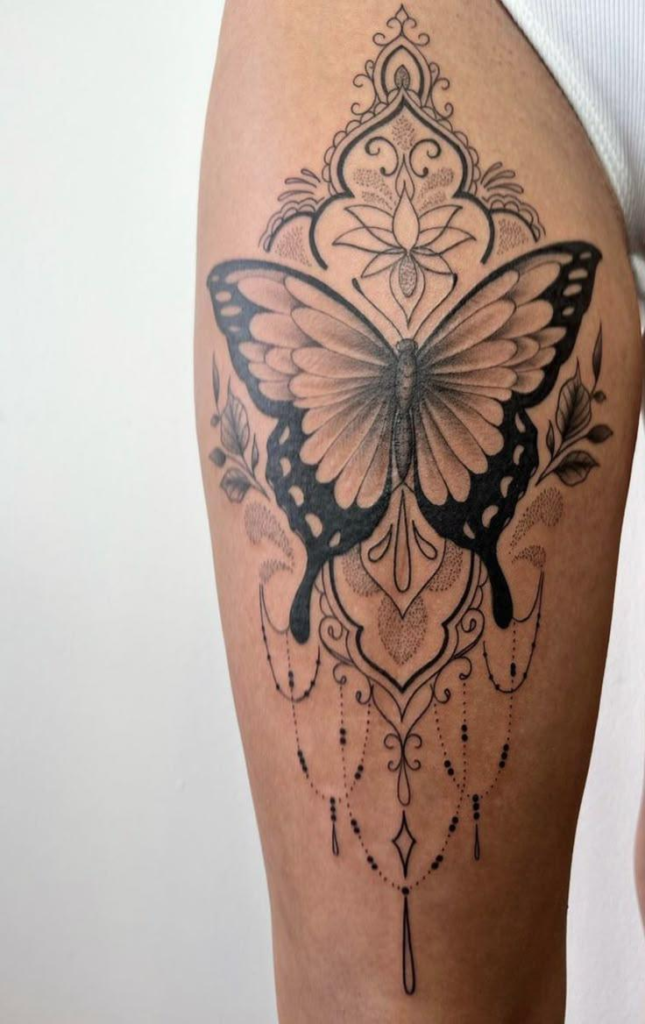
An ornamental butterfly tattoo can combine the recognizable shape of the insect with decorative lines, symmetrical patterns, dots, and intricate details. I like this style because it allows the butterfly to feel more like a piece of jewelry or decorative artwork. You can incorporate mandala-inspired shapes, lace-like patterns, floral details, or geometric elements into the wings. Black ink works particularly well for ornamental designs because it emphasizes symmetry and fine details.
The sternum, upper back, thigh, forearm, and shoulder can provide enough space for the design to develop. Give intricate patterns enough room so they remain clear and visually balanced.
24. Matching Butterfly Tattoo

Matching butterfly tattoos can be a meaningful choice for two people who want a shared symbol. Each person can have the same butterfly or slightly different versions that complement one another. I like the idea of choosing matching outlines while allowing each person to select a different wing color or small personal detail.
You can also split one larger design into two smaller butterflies that look connected when placed together. Wrists, ankles, forearms, and shoulders can all work well for matching designs. Keep the artwork simple enough that both tattoos remain recognizable and cohesive while still allowing individual personality to show through.
Butterfly tattoos offer endless opportunities to create artwork that feels beautiful and meaningful at the same time. I love how the basic butterfly shape can become something completely different through color, linework, placement, flowers, quotes, celestial symbols, or ornamental details. A tiny minimalist butterfly can provide a subtle reminder of personal growth, while a large colorful design can become a dramatic statement piece.
Think carefully about your preferred style, tattoo size, placement, and the symbolism you want your design to carry. These 24 ideas can give you plenty of inspiration before your appointment and help you create a butterfly tattoo that feels personal, stylish, and truly special.