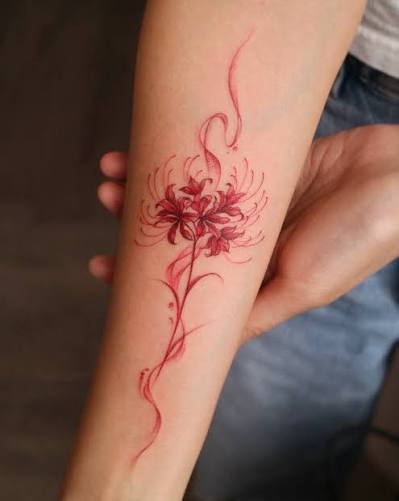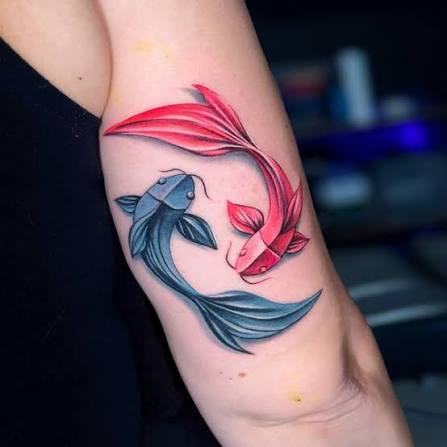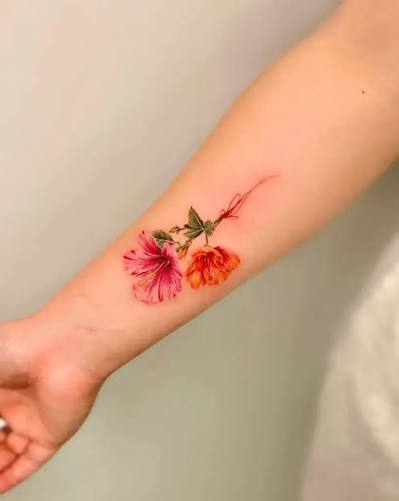
Hibiscus tattoos bring tropical beauty, vibrant petals, and graceful botanical details together in one eye-catching design. Their large blooms offer plenty of creative possibilities, making them suitable for tiny minimalist tattoos as well as elaborate floral pieces. You can choose realistic red hibiscus flowers, delicate fine-line artwork, colorful watercolor designs, or black-and-gray compositions with leaves and decorative details.
The flower can also be paired with butterflies, hummingbirds, waves, names, moons, and other meaningful symbols. These 22 hibiscus tattoo ideas offer inspiration for different placements and styles, helping you discover a design that feels beautiful, personal, and perfect for your next appointment.
1. Realistic Hibiscus Tattoo

A realistic hibiscus tattoo can capture the dramatic beauty of this tropical flower through carefully shaded petals, detailed leaves, and natural-looking stems. The open shape of the bloom gives the artist plenty of room to create depth and dimension.
Red is a popular choice for a vibrant appearance, although pink, orange, yellow, and purple can create equally beautiful results. The shoulder, thigh, upper arm, ribs, and back provide enough space for detailed artwork. Choose an artist experienced in floral realism so the delicate petal folds and natural textures remain convincing.
2. Fine Line Hibiscus Tattoo


A fine-line hibiscus tattoo offers a delicate interpretation of the tropical flower using thin, precise lines. The artist can outline the petals, center, stem, and leaves without relying on heavy shading. This creates an elegant appearance that works beautifully on the wrist, forearm, ankle, collarbone, shoulder, or ribs. You can choose a single flower for a minimalist look or add two smaller blooms for a botanical arrangement.
Keep enough open space between the lines so the details remain crisp. Fine-line work requires precision, so choose an artist with strong experience in delicate floral tattoos.
3. Red Hibiscus Tattoo

A red hibiscus tattoo creates an instantly recognizable floral statement. Deep crimson, bright scarlet, and softer red tones can be layered across the petals to create a realistic appearance. Darker shading near the center can add depth, while green leaves provide natural contrast. The shoulder, thigh, upper arm, calf, and back work especially well for this colorful design.
You can keep the flower as a standalone piece or combine it with tropical leaves and vines. Discuss color choices with your tattoo artist so the red tones complement your skin and the overall style you want.
4. Hibiscus and Butterfly Tattoo

A hibiscus and butterfly tattoo creates a lively combination inspired by tropical gardens. The butterfly can rest on one of the petals or appear to fly around the flower, giving the design a sense of movement. You can use vibrant colors for both subjects or keep the hibiscus colorful while rendering the butterfly in delicate black-and-gray.
The shoulder, thigh, forearm, upper arm, and back provide enough room for the composition. Keep the butterfly slightly smaller than the flower so the hibiscus remains the main focal point. Tiny leaves and dots can add subtle finishing details.
5. Hibiscus Sleeve Tattoo

A hibiscus sleeve tattoo can transform an entire arm into a vibrant tropical garden. Several hibiscus flowers can be arranged at different angles, with leaves, vines, butterflies, and smaller tropical flowers filling the surrounding spaces. You can choose realistic colorwork for a bold appearance or black-and-gray shading for something more understated.
Plan the complete sleeve before beginning so the flowers flow naturally around the shoulder, elbow, and forearm. Leaving intentional negative space can help each bloom remain distinct. Work with an artist experienced in large floral compositions for a cohesive finished design.
6. Hibiscus Shoulder Tattoo

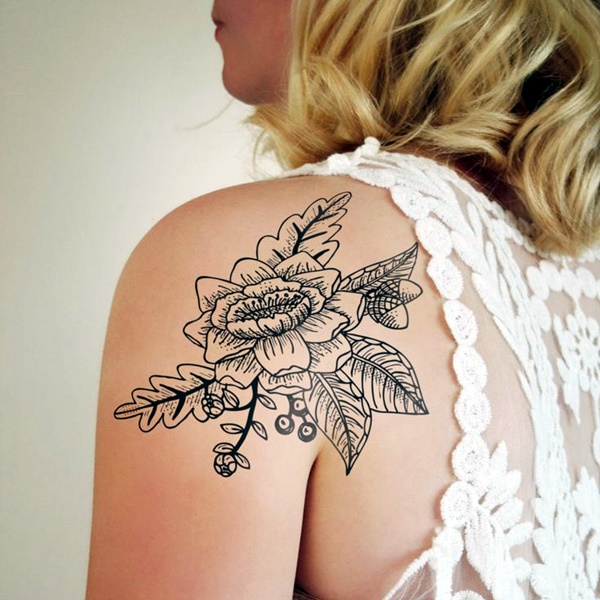
The shoulder is a natural canvas for a hibiscus tattoo because its rounded shape complements the open petals of the flower. A large hibiscus can sit directly over the shoulder while its leaves and stem curve toward the upper arm. You can choose a vivid red or pink bloom for a tropical appearance or use black-and-gray shading for a sophisticated design.
Smaller flowers can be added around the main bloom if you want a fuller composition. Ask your artist to position the flower according to your shoulder’s natural contours so the artwork moves naturally with your body.
7. Hibiscus Thigh Tattoo

A hibiscus thigh tattoo provides plenty of space for a large tropical floral composition. One oversized bloom can become the centerpiece, while leaves, vines, and additional flowers extend around it. Realistic colorwork can make the petals vibrant and dimensional, while black-and-gray creates a more classic aesthetic.
The thigh also gives your artist enough room to include fine petal details that may be difficult in smaller placements. Consider the direction of the flower so the stem follows the natural length of your leg. A carefully positioned design can remain beautiful even when partially covered.
8. Hibiscus and Hummingbird Tattoo


A hummingbird paired with a hibiscus creates a colorful nature-inspired tattoo full of movement. The bird can hover beside the flower, with its beak pointing toward the center of the bloom. Vibrant hummingbird feathers can contrast beautifully with red, pink, orange, or yellow hibiscus petals.
The shoulder, upper arm, thigh, back, and ribs offer enough room for realistic detail. You can choose a realistic style or a softer illustrative approach. Keep the hummingbird slightly smaller than the flower so both elements have clear visual hierarchy and the composition does not become overcrowded.
9. Minimalist Hibiscus Tattoo


A minimalist hibiscus tattoo captures the recognizable silhouette of the flower using simple lines and limited detail. A tiny bloom can sit on the wrist, ankle, finger, collarbone, behind the ear, or inner arm. Black ink keeps the design clean and timeless, while a tiny splash of color can highlight one or two petals.
Avoid excessive shading or complicated details because the appeal of this style comes through simplicity. Choose an artist who understands small-scale tattooing and can create clean lines. This is a great option for anyone who wants a tropical flower with a subtle appearance.
10. Hibiscus and Ocean Waves Tattoo

Combining hibiscus flowers with ocean waves creates a tropical tattoo inspired by beaches and island landscapes. A large hibiscus can sit above stylized waves, while palm leaves or a small sun can complete the scene. Blue and turquoise water can contrast beautifully with red or pink petals.
The calf, thigh, forearm, shoulder, and upper arm offer suitable placements. You can choose a realistic composition or a more illustrative design featuring flowing lines. Keep the wave pattern simple enough that it supports the flower rather than competing with the main focal point.
11. Hibiscus Back Tattoo

The back offers a large canvas for a dramatic hibiscus tattoo. You can place one enormous flower along the spine or create a larger arrangement stretching across the shoulder blades. Several blooms can be connected with vines and tropical leaves for a complete botanical composition.
Colorful petals can make the artwork vibrant, while black-and-gray shading offers a sophisticated alternative. Because the back provides significant space, you can include realistic details within each petal without making the design feel cramped. Plan the placement carefully so the flowers follow the natural lines of your back.
12. Hibiscus and Leaves Tattoo

A hibiscus paired with tropical leaves creates a simple botanical composition that keeps the flower as the star. Large green leaves can frame the bloom, while a slender stem creates a natural connection between the elements. Realistic colorwork gives the tattoo a vibrant tropical appearance, while black-and-gray artwork creates a more understated result.
The forearm, thigh, shoulder, calf, and ribs are excellent placements. Consider using different shades and textures within the leaves so they do not blend into the petals. A balanced arrangement can look beautiful without requiring additional decorative elements.
13. Hibiscus Watercolor Tattoo

A watercolor hibiscus tattoo offers a vibrant artistic interpretation of the tropical flower. Soft pinks, reds, oranges, purples, and yellows can blend across the petals, creating an appearance inspired by watercolor painting. Minimal outlines allow the colors to become the main focus, while tiny splashes or brushstroke effects can extend around the flower.
The shoulder, upper arm, thigh, forearm, and back provide enough space for this style. Talk with your artist about color saturation and long-term expectations because watercolor-inspired designs often rely on lighter shades and subtle transitions.
14. Hibiscus and Name Tattoo

A hibiscus paired with a meaningful name can turn a tropical floral tattoo into a personal tribute. The name can appear underneath the flower, beside the stem, or follow the curve of the leaves. Script lettering creates a romantic appearance, while clean typography offers a modern alternative. Choose a flower size that leaves enough room for the lettering to remain readable.
The forearm, ribs, upper arm, thigh, and shoulder all work well. Double-check spelling and font details before the tattoo begins. Your artist can help balance the flower and lettering so neither element feels crowded.
15. Hibiscus Ankle Tattoo

A hibiscus ankle tattoo can create a delicate tropical accent without requiring a large design. A small flower can sit just above the ankle bone, while a short stem and two leaves create a simple botanical composition. Fine-line blackwork keeps the tattoo subtle, while pink or red petals can add a colorful touch. You can also create two small hibiscus flowers that curve around the ankle.
Keep the details appropriately sized for the placement so the petals remain recognizable. Discuss placement carefully with your artist if footwear regularly rubs against the intended area.
16. Hibiscus Rib Tattoo

The ribs offer an elongated canvas that works beautifully for a flowing hibiscus design. Several flowers can be arranged vertically along the side of the body, connected with long stems, leaves, and vines.
You can choose realistic colorwork for a vibrant tropical aesthetic or black-and-gray shading for a more elegant appearance. The natural curves of the ribs can make the stems appear beautifully fluid when positioned correctly. Discuss the design’s direction and size with your artist before starting. A well-planned composition can follow the body’s contours without appearing stretched or crowded.
17. Hibiscus and Butterfly Sleeve Tattoo

A hibiscus and butterfly sleeve combines colorful flowers with delicate winged details to create a lively garden-inspired arm piece. Large hibiscus blooms can anchor the composition while butterflies move around them at different heights.
Tropical leaves, vines, tiny flowers, and decorative dots can fill open areas. You can choose vibrant colors for the entire sleeve or keep the flowers colorful while using black-and-gray butterflies. Plan the artwork as one complete composition so the design flows naturally around the arm. Negative space can help prevent the sleeve from becoming visually overwhelming.
18. Black and Grey Hibiscus Tattoo

A black-and-gray hibiscus tattoo offers a sophisticated alternative to the flower’s naturally vibrant appearance. Different shades of gray can define the folds, overlapping petals, center, leaves, and stem. You can create one realistic bloom or combine multiple flowers into a larger botanical piece. The forearm, shoulder, thigh, chest, ribs, and back provide plenty of space.
This monochromatic approach can also pair beautifully with other black-and-gray tattoos. Ask your artist to use varied shading rather than heavy outlines everywhere, allowing the petals to appear soft and dimensional.
19. Hibiscus and Moon Tattoo

A hibiscus and crescent moon tattoo combines tropical beauty with celestial symbolism. The moon can sit behind the flower, creating an attractive contrast between the curved crescent and the wide hibiscus petals. Tiny stars, dots, or ornamental lines can surround the composition. Fine-line blackwork works particularly well for this concept, while purple, blue, or pink accents can introduce color.
The shoulder, forearm, thigh, ribs, and upper back are excellent placements. Keep the moon relatively simple so it supports the flower rather than competing with the intricate petal structure.
20. Hibiscus Shoulder-to-Arm Tattoo

A hibiscus design extending across the shoulder and upper arm can create a beautiful transitional floral piece. One large bloom can sit on the shoulder while its stem, leaves, and smaller flowers travel downward toward the bicep or elbow. This placement allows the tattoo to follow the natural movement of the arm. Colorful petals create a tropical appearance, while black-and-gray shading provides a more classic look.
Plan the design as one flowing composition rather than two separate sections. Your artist can position each flower to complement the natural curves of your shoulder and arm.
21. Ornamental Hibiscus Tattoo

An ornamental hibiscus tattoo combines the natural beauty of the flower with decorative elements such as dots, geometric shapes, curved lines, mandala-inspired patterns, and jewelry-like details. The hibiscus can remain the central focal point while symmetrical ornamentation surrounds it. Fine-line black ink creates an elegant and refined appearance, while selective color can highlight the petals. The sternum, upper back, thigh, shoulder, and forearm are excellent placements.
Precision is particularly important with ornamental designs because spacing and symmetry affect the entire composition. Choose an artist experienced in detailed decorative tattoo work.
22. Hibiscus Bouquet Tattoo

A hibiscus bouquet tattoo allows several flowers to come together in a lush tropical arrangement. You can combine open hibiscus blooms with smaller buds, leaves, vines, and complementary tropical flowers. Varying flower sizes and angles can make the bouquet appear more natural and dimensional. Vibrant red, pink, orange, and yellow petals create a colorful statement, while black-and-gray shading offers a more sophisticated appearance.
The thigh, upper arm, shoulder, back, and ribs provide enough room for a detailed bouquet. Leave some negative space around the flowers so every bloom remains visually distinct.
Hibiscus tattoos offer a beautiful way to bring tropical floral energy into your body-art collection. Their distinctive petals can look stunning in minimalist linework, realistic shading, vibrant color, watercolor effects, or intricate ornamental compositions. You can personalize the flower further with butterflies, hummingbirds, ocean waves, moons, names, tropical leaves, or other meaningful details. Placement also makes a major difference, with the shoulder, thigh, back, ribs, ankle, forearm, and upper arm offering different creative possibilities.
Before your appointment, save your favorite references and discuss size, colors, placement, and details with your tattoo artist. A thoughtfully planned hibiscus tattoo can become an eye-catching piece that beautifully reflects your personal style.