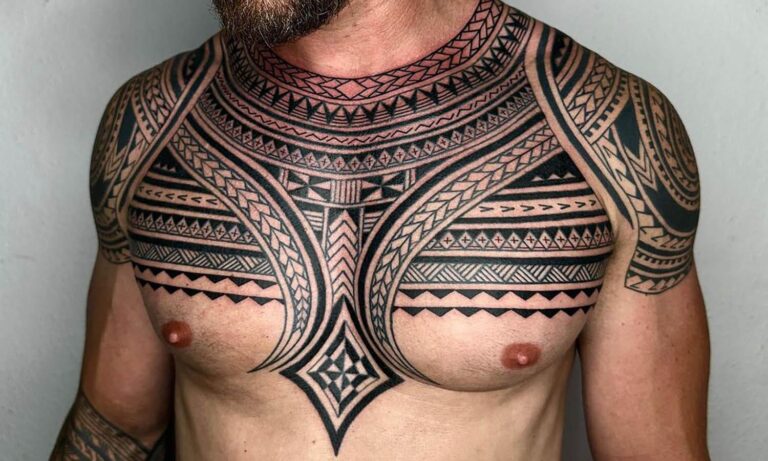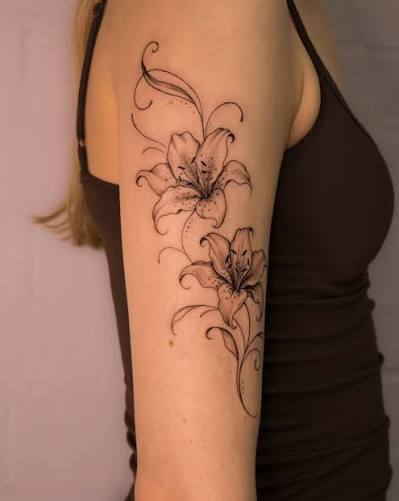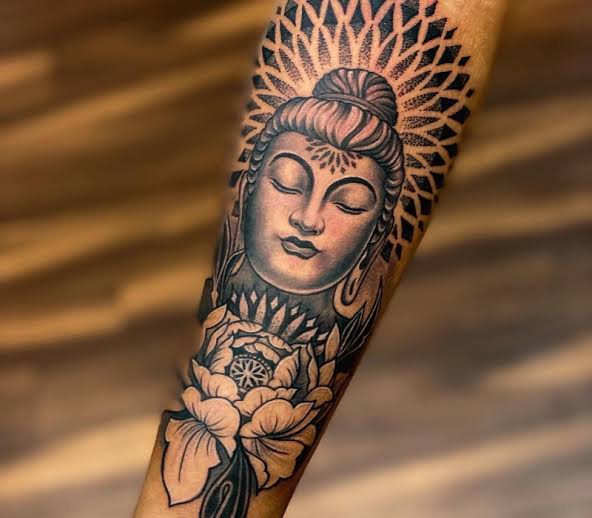
Mandala tattoos are loved for their intricate patterns, balanced shapes, and eye-catching symmetry. Their circular designs can represent harmony, balance, growth, spirituality, and personal connection, making them a popular choice for meaningful body art.
Mandalas can also be customized in countless ways, allowing you to choose a tiny minimalist design or a large detailed piece. Floral petals, geometric shapes, dots, leaves, moons, and ornamental details can all become part of the artwork. Placement also changes the overall appearance, with the forearm, shoulder, thigh, back, chest, and sternum offering beautiful canvases. These 24 mandala tattoo ideas can inspire your next appointment.
1. Simple Mandala Tattoo

A simple mandala tattoo is perfect for anyone who appreciates balanced artwork without excessive detail. Clean lines, repeated shapes, and a circular structure create an attractive design that feels organized and elegant. You can choose a small mandala for the wrist, ankle, shoulder, or forearm, or create a larger design for the thigh or back.
Black ink is particularly effective because it highlights the geometry. Keep the pattern open enough for each section to remain distinct. A simple mandala can also become the foundation for a more detailed tattoo later.
2. Mandala Forearm Tattoo

The forearm is one of the most versatile locations for a mandala tattoo. You can place a circular design directly on the inner forearm or create a longer composition that extends toward the wrist. Intricate petals, dots, geometric shapes, and ornamental lines can give the design a detailed appearance.
Black-and-gray shading adds depth while keeping the tattoo sophisticated. Consider how the mandala will look when your arm is relaxed and when it is turned. A balanced design can complement the natural length of the forearm beautifully.
3. Mandala Shoulder Tattoo

A mandala shoulder tattoo can follow the rounded shape of the shoulder naturally. Circular patterns can sit directly over the shoulder, while additional floral or ornamental details can extend toward the upper arm or shoulder blade.
This placement works beautifully with symmetrical designs because the curves of the body complement the mandala shape. You can choose delicate linework for an elegant look or heavier shading for a dramatic appearance. Consider adding flower petals around the outer edge to soften the geometric structure and create a more botanical feel.
4. Mandala Back Tattoo

The back provides plenty of space for a large and detailed mandala tattoo. A central mandala can sit between the shoulder blades, while additional patterns can spread outward across the upper back.
You can create a symmetrical composition or combine the mandala with flowers, ornamental shapes, or geometric details. Black-and-gray work allows the artist to create depth using different levels of shading. A large back mandala can become an impressive statement piece, especially when the design is carefully aligned with the body’s natural center line.
5. Mandala Thigh Tattoo

A thigh mandala tattoo gives you plenty of room for a detailed design with multiple layers. A large circular mandala can become the main focal point, surrounded by flowers, leaves, ornamental lines, or geometric patterns.
This placement is also easy to personalize because you can choose the size and direction of the design according to your preference. Black ink creates a strong appearance, while soft shading can add depth. Make sure the artist considers the natural shape of the thigh so the mandala does not look stretched or uneven.
6. Floral Mandala Tattoo

A floral mandala combines the symmetry of geometric patterns with the softness of flowers. Petals can form the central structure while additional layers create a detailed circular composition. Roses, lotuses, daisies, and other flowers can be incorporated depending on your preferred style.
This design works beautifully on the forearm, shoulder, thigh, back, or chest. Fine-line blackwork creates a delicate effect, while bold shading makes the flowers stand out. Floral mandalas are especially appealing if you want a tattoo that feels both structured and natural.
7. Lotus Mandala Tattoo

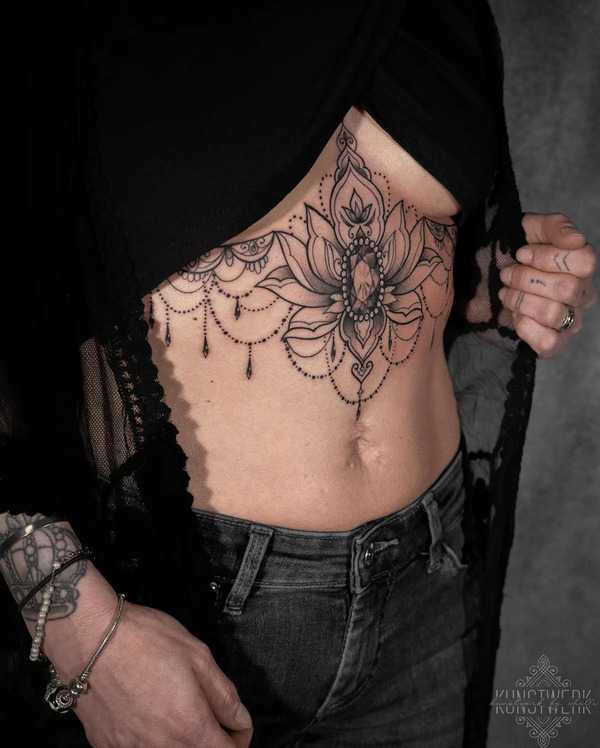
A lotus mandala can combine two popular tattoo elements into one meaningful design. The lotus is often associated with growth, renewal, and rising through difficult circumstances, while the mandala provides symmetry and balance.
A lotus can sit at the center of the mandala, surrounded by repeating petals and geometric patterns. The sternum, forearm, back, thigh, and shoulder are excellent placements. You can keep the design monochromatic or add soft color to the lotus. Make sure the central flower remains visually clear so it does not disappear among the surrounding details.
8. Small Mandala Tattoo

A small mandala tattoo can provide the beauty of symmetrical artwork without requiring a large amount of skin. The wrist, ankle, finger, behind the ear, shoulder, and forearm are suitable placements for compact designs. Because small tattoos have limited space, choose a pattern with relatively open sections and clear lines. Avoid squeezing too many tiny details into the design.
A simple black mandala can look elegant and timeless, while a tiny touch of color can create a more distinctive appearance.
9. Mandala Sleeve Tattoo

A mandala sleeve can transform the arm into a detailed piece of symmetrical artwork. Multiple mandalas can be connected with flowers, leaves, ornamental patterns, geometric shapes, and flowing lines.
You can create a full sleeve or begin with a half sleeve around the upper arm or forearm. Black-and-gray ink is especially popular because it allows the patterns to remain cohesive. Plan the entire composition before beginning so each mandala flows naturally into the next. This approach helps prevent empty spaces or awkward transitions.
10. Mandala Chest Tattoo

A mandala chest tattoo can create a striking central design. You can position one large mandala in the center of the chest or create two balanced elements across the upper chest.
Floral petals and ornamental details can make the design softer, while geometric patterns create a stronger appearance. The size should be carefully planned around your natural body shape. Blackwork and fine-line styles can both work beautifully. If you want a symmetrical design, accurate positioning is especially important so the artwork remains balanced.
11. Mandala Sternum Tattoo

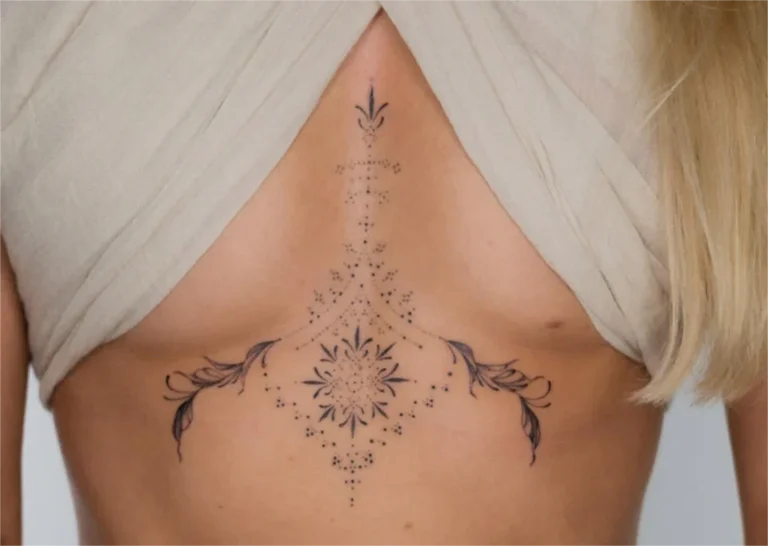
A sternum mandala tattoo is designed around the center of the chest, creating an elegant vertical composition. The mandala can sit directly beneath the chest while additional petals or ornamental lines extend downward. Floral mandalas and lotus-inspired designs are particularly popular for this placement.
Fine-line details can create a delicate appearance, while darker shading adds more drama. Because the sternum is naturally narrow, ask your artist to design the pattern specifically for the area rather than simply shrinking a larger image.
12. Mandala Hand Tattoo

A mandala hand tattoo is a bold choice for someone who wants their artwork to remain visible. A small circular design can sit on the back of the hand, while a more detailed pattern can extend toward the wrist. Because hands experience frequent movement and exposure, simple designs with strong lines may be easier to maintain visually.
Discuss realistic expectations with your tattoo artist before choosing this placement. A carefully sized mandala can complement the shape of the hand without making the area feel overly crowded.
13. Mandala Ankle Tattoo

Ankle mandalas are a stylish choice for people who prefer smaller tattoos. A circular design can sit above the ankle bone, while ornamental elements can wrap partially around the ankle like a delicate bracelet. Fine-line artwork keeps the tattoo light, while darker outlines provide stronger definition.
You can also incorporate tiny flowers, leaves, or dots around the main mandala. Consider the placement carefully so the design follows the ankle’s natural contours. A relatively open pattern can remain clearer than a heavily detailed design in this small area.
14. Mandala Wrist Tattoo
A mandala wrist tattoo is a popular option for subtle but noticeable body art. You can choose a tiny circular mandala on the inner wrist or a slightly larger design that extends toward the forearm.
Simple geometric petals and clean lines work especially well in this area. A bracelet-style mandala can also wrap partially around the wrist. Keep the design appropriately sized because the wrist has limited space. A balanced pattern with clear sections can look elegant without overwhelming the delicate proportions of the area.
15. Mandala and Butterfly Tattoo

Combining a mandala with a butterfly creates an interesting balance between geometric structure and natural movement. The butterfly can sit at the center of the mandala or appear above it, while the wings can echo some of the mandala’s symmetrical patterns.
The forearm, thigh, shoulder, back, and upper arm offer plenty of space for this combination. Black-and-gray artwork can look sophisticated, while colorful wings can create a brighter effect. Keep the main elements visually connected so the tattoo feels like one complete design.
16. Mandala and Moon Tattoo

A moon and mandala tattoo combines celestial imagery with detailed symmetry. A crescent moon can frame the mandala, sit above it, or become part of the outer circular pattern.
Tiny stars and dots can add a subtle nighttime theme. The forearm, sternum, back, thigh, and shoulder are suitable placements. Fine-line black ink works particularly well because it keeps the intricate details visible without making the design appear too heavy. This style is a great choice if you enjoy tattoos that mix geometric and celestial elements.
17. Geometric Mandala Tattoo

A geometric mandala focuses heavily on precision, symmetry, and repeated shapes. Triangles, circles, diamonds, lines, and dots can create intricate layers that look almost architectural. This style is particularly striking in black ink because strong contrast emphasizes every section of the pattern.
The forearm, calf, shoulder, chest, thigh, and back offer suitable canvases. Precision is extremely important for geometric tattoos, so choose an artist who is comfortable creating symmetrical designs. A carefully executed geometric mandala can look exceptionally polished.
18. Mandala Back of Neck Tattoo

A small mandala at the back of the neck creates a stylish tattoo that can be visible with short hairstyles or easily covered with longer hair. The rounded shape fits naturally into the center of the nape. Choose a relatively simple design because the area does not provide much space for extremely intricate artwork.
Fine-line black ink can create a delicate effect, while a bolder mandala makes a stronger statement. Center the design carefully so the circular pattern sits evenly along the natural middle of the neck.
19. Ornamental Mandala Tattoo

An ornamental mandala tattoo adds decorative details around the central circular pattern. Hanging elements, dots, chains, leaves, jewels, and curved lines can make the design feel almost like intricate jewelry.
This style works beautifully on the sternum, thigh, back, forearm, shoulder, or underboob area. Black ink creates a classic ornamental appearance, while subtle shading can add dimension. Plan the outer decorations carefully so they complement rather than overpower the main mandala. Symmetry is especially important with this detailed style.
20. Mandala and Rose Tattoo

A rose and mandala tattoo combines a recognizable flower with intricate geometric artwork. The rose can sit at the center while mandala patterns surround it, or several roses can frame the outer edges.
This design offers plenty of room for personalization through flower size, shading, and placement. The thigh, forearm, shoulder, chest, and back are excellent choices. Black-and-gray roses create a sophisticated appearance, while red petals can provide a striking focal point. Keep the geometric sections clean so the rose remains visually prominent.
21. Dotwork Mandala Tattoo

Dotwork mandala tattoos use carefully placed dots to create shading, texture, and depth. Instead of relying heavily on solid black areas, the artist builds the image through thousands of individual points. This technique can give the mandala a soft yet highly detailed appearance.
The forearm, thigh, shoulder, chest, back, and calf are suitable placements. Dotwork requires patience and precision, so choosing an experienced artist is important. The gradual shading can make each layer of the mandala appear more dimensional.
22. Mandala Calf Tattoo

A mandala calf tattoo offers a generous vertical canvas for a detailed design. A circular mandala can sit in the center of the calf, while additional ornamental elements can extend upward or downward. Floral petals, geometric shapes, and dotwork can all complement the main pattern.
Black ink creates a strong contrast, while soft shading adds dimension. Consider the size carefully so the tattoo follows the natural width of your calf. A well-positioned mandala can look balanced when standing, sitting, and walking.
23. Mandala Finger Tattoo

A tiny mandala finger tattoo can look like a delicate piece of permanent jewelry. The design can sit on the side or top of the finger, or it can wrap partially around the finger like a decorative ring.
Because the area is extremely small, simple patterns are generally more practical than highly intricate mandalas. Discuss expected longevity with your tattoo artist, as finger tattoos can experience more wear than many other placements. A bold, uncomplicated design can remain visually attractive while retaining the recognizable mandala shape.
24. Mandala Half-Sleeve Tattoo

A mandala half sleeve is a beautiful option if you want a larger tattoo without covering the entire arm. One or more mandalas can become the central elements, while flowers, leaves, ornamental patterns, and geometric shapes connect the composition.
You can position the main mandala on the upper arm or forearm and allow surrounding artwork to flow naturally around it. Black-and-gray ink works especially well for creating a cohesive sleeve. Plan the overall composition before starting so every element feels connected rather than appearing as separate tattoos.
Mandala tattoos offer endless possibilities for creating body art that feels detailed, balanced, and personal. A tiny wrist mandala can provide a subtle accent, while a large back, thigh, chest, or sleeve design can become a dramatic statement. Flowers, lotus petals, butterflies, moons, roses, geometric shapes, and dotwork can give your mandala a unique personality. Think carefully about the size, placement, level of detail, and tattoo style you prefer before your appointment.
Symmetry and precision are especially important, so choose an experienced artist for intricate designs. With thoughtful planning, a mandala tattoo can become an eye-catching piece that complements your personal style beautifully.